
Politics
Asantehene to Present Bawku Mediation Report to President on December 16

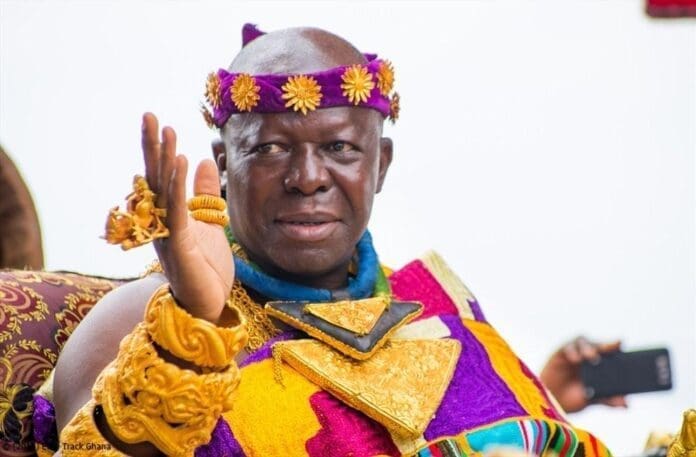
The Asantehene, Otumfuo Osei Tutu II, will formally present his report and recommendations on the Bawku conflict mediation to President John Dramani Mahama on Tuesday, December 16, 2025, at the Presidency. The ceremony scheduled for 4:00 in the afternoon marks a critical step in national efforts to resolve the decades-long ethnic and chieftaincy dispute.
Felix Kwakye Ofosu, Spokesperson to the President and Minister for Government Communications, confirmed the presentation in a statement issued on December 9. The report represents months of consultations between the Asantehene and various stakeholders including traditional authorities, youth groups, security agencies and civil society actors.
The document is expected to detail findings, key concerns from factions and recommendations for establishing a sustainable peace framework in Bawku. The submission follows the final mediation session held at Manhyia Palace in Kumasi on December 1, where representatives from both the Kusasi and Mamprusi factions participated in discussions.
President Mahama appointed Otumfuo Osei Tutu II earlier this year to lead the high-level mediation process aimed at restoring lasting peace in Bawku. The monarch began formal engagement with stakeholders in April, meeting separately with representatives from both sides to initiate dialogue and understand their positions.
The mediation work was temporarily suspended but resumed in May, contributing to a period of relative calm in the conflict-prone municipality. The Asantehene has leveraged his traditional authority and national stature to facilitate discussions between parties that have maintained deeply entrenched positions for decades.
Long-running ethnic and chieftaincy tensions in Bawku have triggered repeated outbreaks of violence, displacement and loss of lives over many years. The dispute primarily involves the Kusasi and Mamprusi groups over claims to traditional authority in the area, with roots extending back to colonial-era administrative decisions.
According to Lawyer Maxwell Agbambila, one of the Kusasi team’s legal representatives, the final mediation session addressed demands from both factions. The Asantehene received input from all parties and provided assurances about continuing engagement to resolve outstanding issues before finalizing his recommendations.
The protracted conflict continues to strain security resources and affect economic and social life throughout the Upper East Region. Recurring violence has necessitated periodic curfews, disrupted local livelihoods and hampered development initiatives in Bawku municipality and surrounding communities.
Members of both factions took to the streets of Kumasi following the December 1 mediation session, with some suggesting the outcome favored their side. However, participants clarified that Otumfuo Osei Tutu II has not made any final pronouncement on the matter, with the report to President Mahama representing the formal conclusion of the mediation process.
The Asantehene indicated during the final session that he was acting under direction from President Mahama to conduct the mediation. His approach has involved listening carefully to both sides, facilitating dialogue on contentious issues and seeking common ground for lasting resolution.
Security agencies have maintained a significant presence in Bawku throughout the mediation period, working to prevent violence and create conditions conducive for peace talks to proceed. The government has invested substantial resources in stabilizing the area while the mediation process continued.
Traditional authorities, religious leaders and civil society organizations have supported the Asantehene’s efforts by encouraging their constituencies to embrace dialogue and reject violence. Youth groups from both factions participated in consultations, providing perspectives on how the conflict affects younger generations.
The presentation of the report will guide the next phase of government action toward achieving sustainable peace in Bawku. The Presidency stated that further details will be communicated after the December 16 ceremony, suggesting additional steps may follow the formal submission.
Some observers view the mediation as a test case for using traditional authority structures to resolve contemporary conflicts in Ghana. The Asantehene’s involvement brings moral weight and cultural legitimacy that state institutions alone may struggle to provide in disputes rooted in traditional systems.
The success or failure of the mediation could influence how Ghana approaches similar conflicts in other regions. Several areas of the country experience tensions related to chieftaincy and ethnic differences, though few match the intensity and duration of the Bawku dispute.
International partners and development organizations have expressed support for the mediation process, recognizing that lasting peace in Bawku requires addressing underlying grievances rather than merely suppressing violence. Sustainable resolution demands buy-in from all stakeholders and mechanisms for managing future disagreements.
The government’s decision to engage the Asantehene reflects recognition that some conflicts require culturally appropriate intervention methods. Traditional leaders often command respect across ethnic lines and can facilitate dialogue in ways that formal state structures cannot replicate.
Economic activities in Bawku have suffered significantly due to the recurring violence and security restrictions. Traders, farmers and business operators have called for lasting peace to enable them to pursue livelihoods without fear of sudden outbreaks disrupting their operations.
The presentation ceremony on December 16 will likely attract significant public attention as Ghanaians await details of the recommendations. Many hope the report will chart a pathway toward permanent resolution rather than another temporary ceasefire.
Both the Kusasi and Mamprusi communities have expressed cautious optimism about the mediation outcomes while maintaining their respective positions on the core dispute. The challenge will be implementing recommendations in ways that address legitimate concerns from all parties.
Source: www.newsghana.com.gh


TV3’s Godwin Asediba wins the 2025 BBC Komla Dumor Award
Media General Journalist and News Anchor Godwin Asediba has been adjudged winner of the 2025 BBC News Komla Dumor Award....


Government imposes GHC10,000 daily fine on DSTV for failure to submit pricing data
The Ministry of Communication, Digital Technology, and Innovations has impose a statutory fine of GHC10,000 per day on MultiChoice Ghana...


President Mahama to walk the runway at Ghana Fashion Week in July
In a bold and exciting announcement, President John Dramani Mahama revealed that he will make a special appearance on the...


Chez Amis gifts herself Rolls Royce Cullinan on birthday
Renowned Accra-based restaurateur Chez Amis has marked her birthday in grand style by gifting herself a brand-new Rolls Royce Cullinan,...


Akosua Ago Aboagye joins Sompa FM as Accra branch radio manager
Seasoned broadcaster Akosua Ago Aboagye has joined Sompa FM as the Radio Manager for its Accra branch. She made the...


Mahama unveils ‘Black Star Experience’ to boost tourism and culture
President John Dramani Mahama has announced the launch of ‘The Black Star Experience’ as part of his administration’s vision to...
-

 Showbiz4 days ago
Wanlov reveals how he used cutlasses to evade school authorities
-

 Politics4 days ago
Afenyo-Markin Takes NPP’s Political Philosophy to UCC Students
-

 Showbiz4 days ago
He treats us like children
-

 Showbiz6 days ago
I questioned God in my desperation for a child – Diana Hamilton opens up about faith
-

 Showbiz4 days ago
Man pleads with policewomen to be kind after kids traumatized by past incident
-
Politics4 days ago
Afenyo-Markin Tells UCC Students Mahama’s Flagship Plans Remain Unfulfilled
-

 Politics2 weeks ago
Omane Acheampong Criticizes Government’s Cocoa Sector Price Reduction
-

 Politics4 days ago
Aboagye Says Forum Data Exposes NDC’s Economic Blind Spots