
Politics
Former NPP Chairman Warns Against January 2026 Primary Rush

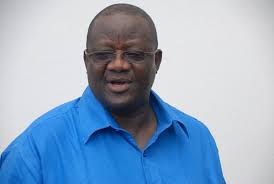
Paul Afoko criticizes party’s decision to bypass traditional renewal process
Former New Patriotic Party National Chairman Paul Afoko has sharply criticized the party’s decision to hold presidential primaries in January 2026, warning that the timing represents a significant departure from established organizational procedures.
Afoko described the party’s decision as “a big mistake” and “a serious misstep,” arguing that the NPP is abandoning its traditional four-year renewal cycle that has historically guided party reorganization efforts.
Speaking on Starr FM, the former party leader outlined the NPP’s established internal democracy framework, which begins with grassroots restructuring before advancing to higher levels of party leadership selection.
“I think the party is making a big mistake going for presidential primaries in January [2026]. Normally, this party goes through a renewal cycle every four years… that renewal starts from the polling stations all the way up. And after the national executive is in place, then you have a presidential primary,” Afoko explained during the interview.
The criticism highlights tensions within the NPP regarding organizational procedures and timing for leadership selection processes. Afoko argued that the NPP’s internal renewal process has always been structured, beginning at the polling station level, moving through constituency and regional elections, and culminating in the election of national executives before the flagbearer is chosen.
This traditional approach ensures that party structures are properly established and democratic processes are followed from the grassroots level upward, creating legitimacy for eventual presidential candidate selection. Afoko’s concerns suggest that bypassing this established sequence could undermine the party’s internal democratic foundations.
The former chairman’s intervention comes as the NPP prepares for its next electoral cycle following the party’s performance in recent elections. His critique focuses specifically on procedural concerns rather than individual candidacies, as he maintained neutrality regarding potential flagbearer aspirants.
“I don’t have a favourite when it comes to who I think should become the flagbearer of the NPP. I wish them well, but I don’t have a favourite,” Afoko stated, emphasizing that his concerns center on organizational process rather than personality preferences.
The timing dispute reflects broader questions about party organization and internal democracy within Ghana’s political landscape. Political parties typically use renewal cycles to refresh leadership structures, assess membership, and strengthen organizational capacity ahead of major electoral contests.
Afoko’s warning suggests that rushing into presidential primary elections without completing the traditional renewal process could create organizational weaknesses or legitimacy questions that might affect the party’s electoral competitiveness. The former chairman’s experience in party administration lends weight to his procedural concerns.
The NPP’s response to these criticisms and whether the party will adjust its timeline remains to be seen. Party leadership decisions about internal democracy processes often reflect competing priorities between maintaining established procedures and responding to political calendar pressures.
Afoko has previously stated that “the NPP as a party has not recognised its potential” and described it as still in a phase of “rebuilding and rebranding,” suggesting his concerns about the primary timing may be part of broader views about the party’s organizational development needs.
The former chairman’s public critique represents a significant intervention in party affairs from someone who, despite his past conflicts with party leadership, maintains considerable experience in NPP organizational matters. His warnings about procedural shortcuts reflect institutional memory about the importance of following established democratic processes.
As the NPP navigates these internal discussions about primary timing, the party faces the challenge of balancing organizational thoroughness with political calendar considerations. The resolution of this timing dispute may influence both the legitimacy and effectiveness of the party’s eventual presidential candidate selection process.
Political observers will be watching whether the party leadership responds to Afoko’s concerns by adjusting the primary schedule or whether they proceed with the January 2026 timeline despite these procedural warnings.
Source: www.newsghana.com.gh


TV3’s Godwin Asediba wins the 2025 BBC Komla Dumor Award
Media General Journalist and News Anchor Godwin Asediba has been adjudged winner of the 2025 BBC News Komla Dumor Award....


Government imposes GHC10,000 daily fine on DSTV for failure to submit pricing data
The Ministry of Communication, Digital Technology, and Innovations has impose a statutory fine of GHC10,000 per day on MultiChoice Ghana...


President Mahama to walk the runway at Ghana Fashion Week in July
In a bold and exciting announcement, President John Dramani Mahama revealed that he will make a special appearance on the...


Chez Amis gifts herself Rolls Royce Cullinan on birthday
Renowned Accra-based restaurateur Chez Amis has marked her birthday in grand style by gifting herself a brand-new Rolls Royce Cullinan,...


Akosua Ago Aboagye joins Sompa FM as Accra branch radio manager
Seasoned broadcaster Akosua Ago Aboagye has joined Sompa FM as the Radio Manager for its Accra branch. She made the...


Mahama unveils ‘Black Star Experience’ to boost tourism and culture
President John Dramani Mahama has announced the launch of ‘The Black Star Experience’ as part of his administration’s vision to...
-

 Showbiz1 week ago
Wanlov reveals how he used cutlasses to evade school authorities
-

 Politics1 week ago
Kpebu: SALL Disenfranchisement Alone Should Have Sealed EC Removal Case
-

 Politics1 week ago
Afenyo-Markin Takes NPP’s Political Philosophy to UCC Students
-

 Showbiz7 days ago
How boarding school parties sparked Wanlov’s music journey
-

 Showbiz1 week ago
He treats us like children
-

 Showbiz1 week ago
I questioned God in my desperation for a child – Diana Hamilton opens up about faith
-

 Showbiz1 week ago
Man pleads with policewomen to be kind after kids traumatized by past incident
-
Politics1 week ago
Afenyo-Markin Tells UCC Students Mahama’s Flagship Plans Remain Unfulfilled