
Politics
Study Dismisses Tribal, Religious Factors in NPP’s 2024 Electoral Defeat

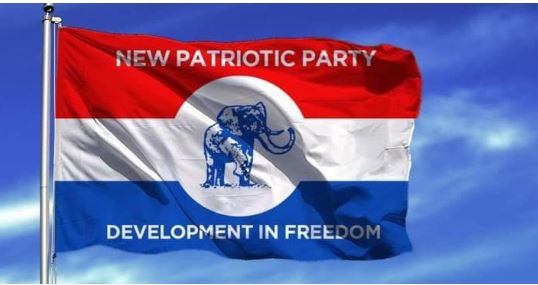
A comprehensive post-election analysis has debunked long-held assumptions that tribal or religious loyalties influenced the New Patriotic Party’s (NPP) shocking loss in Ghana’s 2024 polls, particularly in its traditional stronghold, the Ashanti Region.
Instead, the report—leaked from an internal NPP probe—paints a damning picture of voter disillusionment fueled by corruption scandals, perceived nepotism, and neglect of the party’s core supporters.
The study, conducted across all 47 constituencies in the Ashanti Region, surveyed 2,559 voters through questionnaires and interviews. A striking 98% of respondents rejected the notion that ethnicity or faith swayed their votes, challenging narratives often used to explain Ghana’s electoral dynamics. “Ghanaians voted with their pockets, not their pedigrees,” remarked political analyst Kwame Asare, reflecting on the findings.
At the heart of the NPP’s collapse was a seething resentment toward former President Nana Akufo-Addo’s administration. Respondents accused Akufo-Addo’s inner circle, including family members, of monopolizing power and sidelining party structures. “The government became a family enterprise,” one anonymous voter lamented in the report. This perception of cronyism eroded trust, with many viewing then-candidate Mahamudu Bawumia as a mere extension of Akufo-Addo’s influence rather than an independent leader.
Corruption allegations further crippled the NPP’s credibility. Scandals involving high-ranking officials, coupled with Bawumia’s muted response to the Bawku chieftaincy crisis, painted a picture of a party detached from grassroots concerns. “We expected Bawumia to break free, but he seemed shackled to the past,” a Kumasi-based trader told researchers.
For the Ashanti Region—historically the NPP’s electoral backbone—the betrayal cut deeper. Voters cited glaring infrastructure neglect, particularly poor road networks, as evidence of the party taking their loyalty for granted. “Ashanti roads were crumbling while Accra prospered. We felt abandoned,” said a survey participant from Ejisu. Internal party strife, lingering from contentious 2020 primaries, compounded the disconnect, with factions failing to unite ahead of the 2024 campaign.
A Wake-Up Call for Ghanaian Politics
The report’s dismissal of tribal and religious motivations marks a pivotal shift in understanding voter behavior. In a region where ethnic identity often intersects with political allegiance, the findings suggest Ghana’s electorate is increasingly prioritizing governance over heritage. “Voters are demanding accountability, not ancestral alliances,” noted governance expert Dr. Ama Serwah.
Yet the study also exposes systemic flaws within the NPP. The failure to address internal discord, coupled with a top-down leadership style, alienated its base. Many respondents criticized the delayed timing of the research, asking why reforms weren’t pursued before the electoral rout. “This isn’t introspection—it’s postmortem,” quipped opposition activist Yaa Asantewaa.
For the NPP, the path to redemption lies in dismantling the “Akufo-Addo legacy” perception, rooting out corruption, and reconnecting with Ashanti voters through tangible development. But with the 2028 elections looming, the party faces a race against time to prove it has learned from its mistakes. As the report concludes: “Loyalty is earned, not inherited.” In Ghana’s evolving democracy, even strongholds can become battlegrounds.
Source: newsghana.com.gh


TV3’s Godwin Asediba wins the 2025 BBC Komla Dumor Award
Media General Journalist and News Anchor Godwin Asediba has been adjudged winner of the 2025 BBC News Komla Dumor Award....


Government imposes GHC10,000 daily fine on DSTV for failure to submit pricing data
The Ministry of Communication, Digital Technology, and Innovations has impose a statutory fine of GHC10,000 per day on MultiChoice Ghana...


President Mahama to walk the runway at Ghana Fashion Week in July
In a bold and exciting announcement, President John Dramani Mahama revealed that he will make a special appearance on the...


Chez Amis gifts herself Rolls Royce Cullinan on birthday
Renowned Accra-based restaurateur Chez Amis has marked her birthday in grand style by gifting herself a brand-new Rolls Royce Cullinan,...


Akosua Ago Aboagye joins Sompa FM as Accra branch radio manager
Seasoned broadcaster Akosua Ago Aboagye has joined Sompa FM as the Radio Manager for its Accra branch. She made the...


Mahama unveils ‘Black Star Experience’ to boost tourism and culture
President John Dramani Mahama has announced the launch of ‘The Black Star Experience’ as part of his administration’s vision to...
-

 Showbiz4 days ago
Wanlov reveals how he used cutlasses to evade school authorities
-

 Politics7 days ago
Kpebu: SALL Disenfranchisement Alone Should Have Sealed EC Removal Case
-

 Politics5 days ago
Afenyo-Markin Takes NPP’s Political Philosophy to UCC Students
-

 Showbiz4 days ago
He treats us like children
-

 Showbiz6 days ago
I questioned God in my desperation for a child – Diana Hamilton opens up about faith
-

 Showbiz4 days ago
Man pleads with policewomen to be kind after kids traumatized by past incident
-
Politics4 days ago
Afenyo-Markin Tells UCC Students Mahama’s Flagship Plans Remain Unfulfilled
-

 Politics2 weeks ago
Omane Acheampong Criticizes Government’s Cocoa Sector Price Reduction