
Politics
NPP Youth Leader Condemns Security Agency Over MP Arrest Attempt

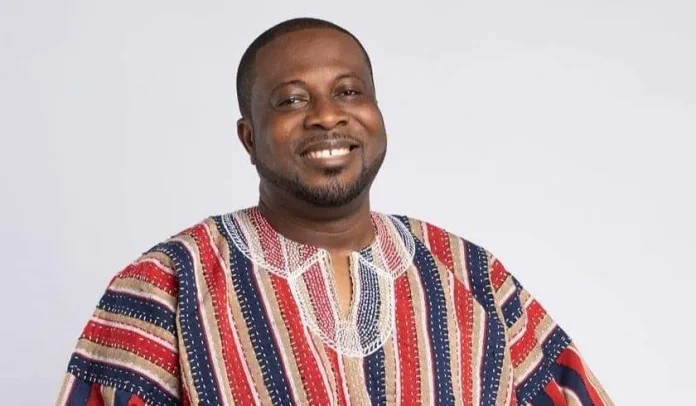

The National Youth Organizer of Ghana’s New Patriotic Party (NPP), Salam Mustapha, has sharply criticized the National Intelligence Bureau (NIB) following its attempted arrest of Assin South MP Rev. John Ntim Fordjour at his residence.
Mustapha condemned the operation as an overreach, insisting the lawmaker committed no crime and stressing the need for due process.
The incident, which escalated tensions between the ruling party and state security, centered on Fordjour’s public remarks about drug abuse, which Mustapha described as part of legitimate national discourse. “What is the crime here? The Honourable Member of Parliament raised issues critical to our society,” he stated during a Channel One TV interview. He warned against using state apparatus to intimidate political figures, asserting, “If people bypass the law to engage, they themselves commit illegality.”
Mustapha further cautioned that attempts to suppress voices within the NPP would provoke resistance. “I am activating the entire youth of this party. If we have to die for this nonsense to stop, we’ll do it,” he declared, framing the confrontation as a defense of democratic principles. His remarks underscore growing friction between political actors and security agencies, particularly amid heightened debates over governance and civil liberties.
The clash highlights broader concerns about the rule of law in politically sensitive operations. While security agencies are tasked with maintaining order, critics argue that transparency and procedural adherence are vital to public trust. Legal analysts note that Ghana’s constitution mandates strict separation between law enforcement and partisan interests, though enforcement remains contentious.
Fordjour’s case echoes historical tensions where state actions are perceived as targeting political opponents. Such episodes risk eroding institutional credibility, especially when perceived as politically motivated. As the NIB faces scrutiny over its mandate, the incident may fuel calls for clearer operational guidelines to balance security imperatives with democratic safeguards.
The standoff underscores a recurring challenge in Ghana’s democracy: ensuring accountability without stifling dissent. While Mustapha’s rhetoric signals defiance, it also tests the boundaries of civic engagement. How institutions navigate these tensions could shape public confidence in governance frameworks, particularly as elections approach and political stakes rise.
Source: newsghana.com.gh


TV3’s Godwin Asediba wins the 2025 BBC Komla Dumor Award
Media General Journalist and News Anchor Godwin Asediba has been adjudged winner of the 2025 BBC News Komla Dumor Award....


Government imposes GHC10,000 daily fine on DSTV for failure to submit pricing data
The Ministry of Communication, Digital Technology, and Innovations has impose a statutory fine of GHC10,000 per day on MultiChoice Ghana...


President Mahama to walk the runway at Ghana Fashion Week in July
In a bold and exciting announcement, President John Dramani Mahama revealed that he will make a special appearance on the...


Chez Amis gifts herself Rolls Royce Cullinan on birthday
Renowned Accra-based restaurateur Chez Amis has marked her birthday in grand style by gifting herself a brand-new Rolls Royce Cullinan,...


Akosua Ago Aboagye joins Sompa FM as Accra branch radio manager
Seasoned broadcaster Akosua Ago Aboagye has joined Sompa FM as the Radio Manager for its Accra branch. She made the...


Mahama unveils ‘Black Star Experience’ to boost tourism and culture
President John Dramani Mahama has announced the launch of ‘The Black Star Experience’ as part of his administration’s vision to...
-

 Showbiz4 days ago
Wanlov reveals how he used cutlasses to evade school authorities
-

 Politics4 days ago
Afenyo-Markin Takes NPP’s Political Philosophy to UCC Students
-

 Showbiz4 days ago
He treats us like children
-

 Showbiz6 days ago
I questioned God in my desperation for a child – Diana Hamilton opens up about faith
-

 Showbiz4 days ago
Man pleads with policewomen to be kind after kids traumatized by past incident
-
Politics4 days ago
Afenyo-Markin Tells UCC Students Mahama’s Flagship Plans Remain Unfulfilled
-

 Politics2 weeks ago
Omane Acheampong Criticizes Government’s Cocoa Sector Price Reduction
-

 Politics4 days ago
Aboagye Says Forum Data Exposes NDC’s Economic Blind Spots