
Opinion
Resolving the current economic crisis: The need for political settlement

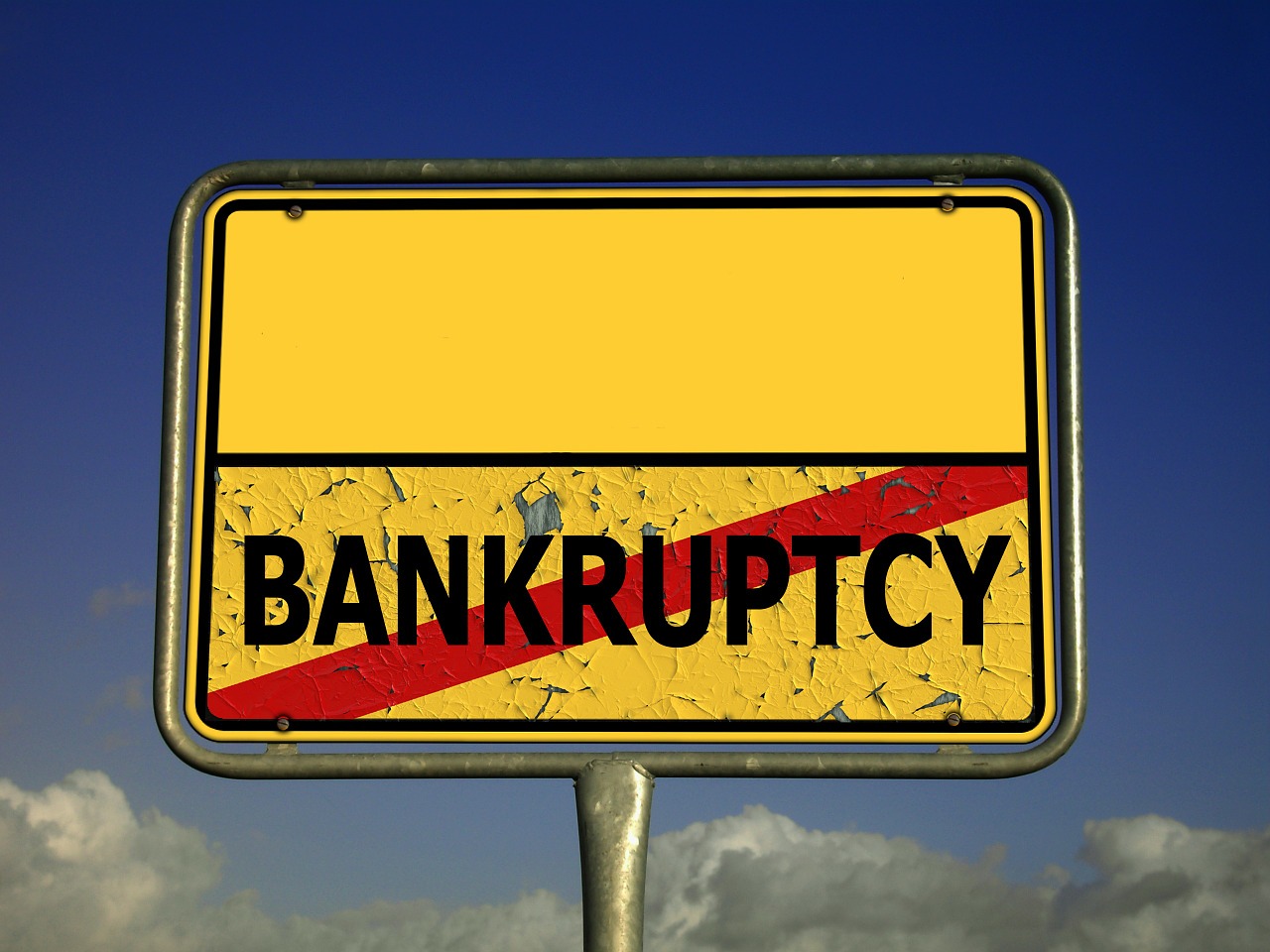
The national economic situation is grimmer than most Ghanaians know it to be. Yes, most of us know that prices of everything have quadrupled over the last one year and the cost of living has hit the roof. We know that the cedis, the national currency has witnessed its fastest depreciation since it was liberalized and sold on the market like any other commodity. We have seen the price of a liter of fuel surpassing the minimum wage. And yes, we now know that the government cannot pay its debt and it is desperately seeking to ramp through a program to restructure the debt.
What many do not realize is that the grim national economic situation is about to get worse in the absence of a national mobilization to pull ourselves from the brink. The cedi depreciation has been caused by massive outflow of resources from Ghana as investors lost confidence because of the repeated downgrade of Ghana’s credit worthiness by the ratings agencies. Many events led to the downgrades. The national debts stock was high even before the pandemic struck and we had to borrow our way through it. Then in 2022, when the economic cost of the pandemic was about to crystallize the war in Ukraine got underway. Unfortunately, for the first time, our parliament decided to do fist fight over the 2022 economic program (budget and economic policy statement of government) and eventually scuttling the national response to the present and emerging domestic and global crisis. This has resulted in the depletion of the country’s international reserves and impairing our ability to import nearly all the things we consume. And this is the reason the government sought balance of payment support from the International Monetary Fund (IMF). This has become known as the IMF bailout.
But that bailout has hit a snag even after we have secured a Staff Level Agreement (SLA) with the Fund. The technocrats at the Ministry of Finance and Bank of Ghana are telling us that a country cannot secure an IMF bailout unless it can demonstrate that its debts are sustainable over the medium term. As we know our debts are neither sustainable now nor over the medium term. To ensure sustainability of our debt over the medium term the country has ushered into a debt treatment program or the Debt Exchange Program. The domestic component of the program – the Domestic Debt Exchange – has elicited strong opposition. The unions have fought to exclude pensions from the program. This has breached the sustainability threshold set by the IMF. The individual bondholders are in a struggle of their own for their lifetime investments.
According to the experts and people closer to the IMF negotiations, without a successful debt exchange, the IMF staff cannot take the SLA they reached with the government to the IMF Board. And there cannot be an IMF bailout. And if Ghana fails to secure an IMF bailout within the next three (3) months the economic consequences will be dire. The social and political fallout could be catastrophic.
In economic terms, a failed IMF negotiation could lead to a disorderly default. We have already suspended our debt service obligations on selected external debts. In a disorderly default we don’t need to publicly announce, the figures will tell all our creditors (particularly the external creditors) that we cannot pay them anything. For domestic creditors we can print more cedis to pay them and generate ever more inflation making everyone worse off.
A failed IMF deal has other ominous consequences. With depleted national reserves, we cannot import most things. We may not be able to import fuel and shortages will ensue. The thermal plants that run on crude oil will have to be turned off, leading to the re-emergence of DUMSOR. The country will struggle to import basic products like food and medicines. The cedi will depreciate to a collapse. The cost of living will further increase, and life will become unlivable. This might sound like science-fiction but it is a probable reality that beacons this country if we don’t act and act soon. The signs are on the wall. We are on the road to Sri-Lanka! Time is of the essence.
But exactly should we do?
In all honesty, Ghanaians have done well in the last one year. Citizens have endured one of the excruciating moments in our recent history. We have soaked incredible cost of living pressures as prices increased on a daily, sometimes hourly basis. Just this month, Value Added Tax (VAT) has been increased and it has been passed on by businesses. Last week Utility Tariffs went up.
Sure, Ghanaians have continued to complain bitterly but we seem to be enduring the harsh realities of the time. We are still buying gari and beans even though the prices are hitting the roof. We are still buying fuel and paying for the high transport fares. Many are still tormented by the possibility of losing their hard-earned investments including pensions. Citizens seem to have limited choice.
But one thing is certain. Ghanaians are acting like real citizens and are fiercely resisting all governmental initiatives including, sadly, initiatives that have the potential to resolve the current crisis. There are two main issues involved here: First, for reasons that are hard to understand the government is refusing to consult the key social and political forces on its proposals on big-ticket economic items that hold the fabric of the economy and society. Instead, the government has chosen to surprise citizens and turned them into a reaction mob. In the end, government initiatives fail to benefit from our collective wisdom and embrace.
Second, and most crucial, the government of President Akuffo Addo has continued to ask Ghanaians to endure very difficult economic conditions, including ramping up taxes but the President has obstinately refused the one request from Ghanaians for him to reshuffle his ministerial portfolio and reduce the size of his government. We, the 31 million or so Ghanaians, are grudgingly paying the e-levy and the 2.5 percentage point increase in the VAT. We are enduring fuel and utility price increases and an associated increase in transport fares. And even without the debt exchange program, our incomes/earnings and wealth have plunged beyond our wildest imagination.
But the President who in 2017 asked us to be citizens (not spectators) has refused to act on our demands and harmless suggestions. He has continued to maintain the largest ministerial portfolio in the 4th Republic. There remains a lengthy list of presidential staffers. Their job roles are not clear and output difficult to measure. Some loss-making State-Owned Enterprises (SOEs) have three deputy CEOs enjoying all the pecks including having their DSTV subscriptions paid for by their financially distressed organization.
It is clear to me that Ghanaians want the president to reshuffle and reduce the size of his government. This may not immediately reduce the size of the national debt and avoid the painful debt restructuring program. But it will communicate to Ghanaians that their President and government is listening and making their own contribution towards resolving the current crisis. And it might soften public anger and resistance to government initiatives intended to solve the crisis we have.
The President must not forget that governing is transactional and that we need political negotiations and settlement to resolve the current economic problems. But as John F. Kennedy noted 7 decades ago “we cannot negotiate with people who say what’s mine is mine and what’s yours is negotiable”
Source: By Samuel Ameyaw


TV3’s Godwin Asediba wins the 2025 BBC Komla Dumor Award
Media General Journalist and News Anchor Godwin Asediba has been adjudged winner of the 2025 BBC News Komla Dumor Award....


Government imposes GHC10,000 daily fine on DSTV for failure to submit pricing data
The Ministry of Communication, Digital Technology, and Innovations has impose a statutory fine of GHC10,000 per day on MultiChoice Ghana...


President Mahama to walk the runway at Ghana Fashion Week in July
In a bold and exciting announcement, President John Dramani Mahama revealed that he will make a special appearance on the...


Chez Amis gifts herself Rolls Royce Cullinan on birthday
Renowned Accra-based restaurateur Chez Amis has marked her birthday in grand style by gifting herself a brand-new Rolls Royce Cullinan,...


Akosua Ago Aboagye joins Sompa FM as Accra branch radio manager
Seasoned broadcaster Akosua Ago Aboagye has joined Sompa FM as the Radio Manager for its Accra branch. She made the...


Mahama unveils ‘Black Star Experience’ to boost tourism and culture
President John Dramani Mahama has announced the launch of ‘The Black Star Experience’ as part of his administration’s vision to...
-

 Showbiz4 days ago
Wanlov reveals how he used cutlasses to evade school authorities
-

 Politics7 days ago
Kpebu: SALL Disenfranchisement Alone Should Have Sealed EC Removal Case
-

 Politics5 days ago
Afenyo-Markin Takes NPP’s Political Philosophy to UCC Students
-

 Showbiz4 days ago
He treats us like children
-

 Showbiz6 days ago
I questioned God in my desperation for a child – Diana Hamilton opens up about faith
-

 Showbiz4 days ago
Man pleads with policewomen to be kind after kids traumatized by past incident
-
Politics4 days ago
Afenyo-Markin Tells UCC Students Mahama’s Flagship Plans Remain Unfulfilled
-

 Politics2 weeks ago
Omane Acheampong Criticizes Government’s Cocoa Sector Price Reduction